
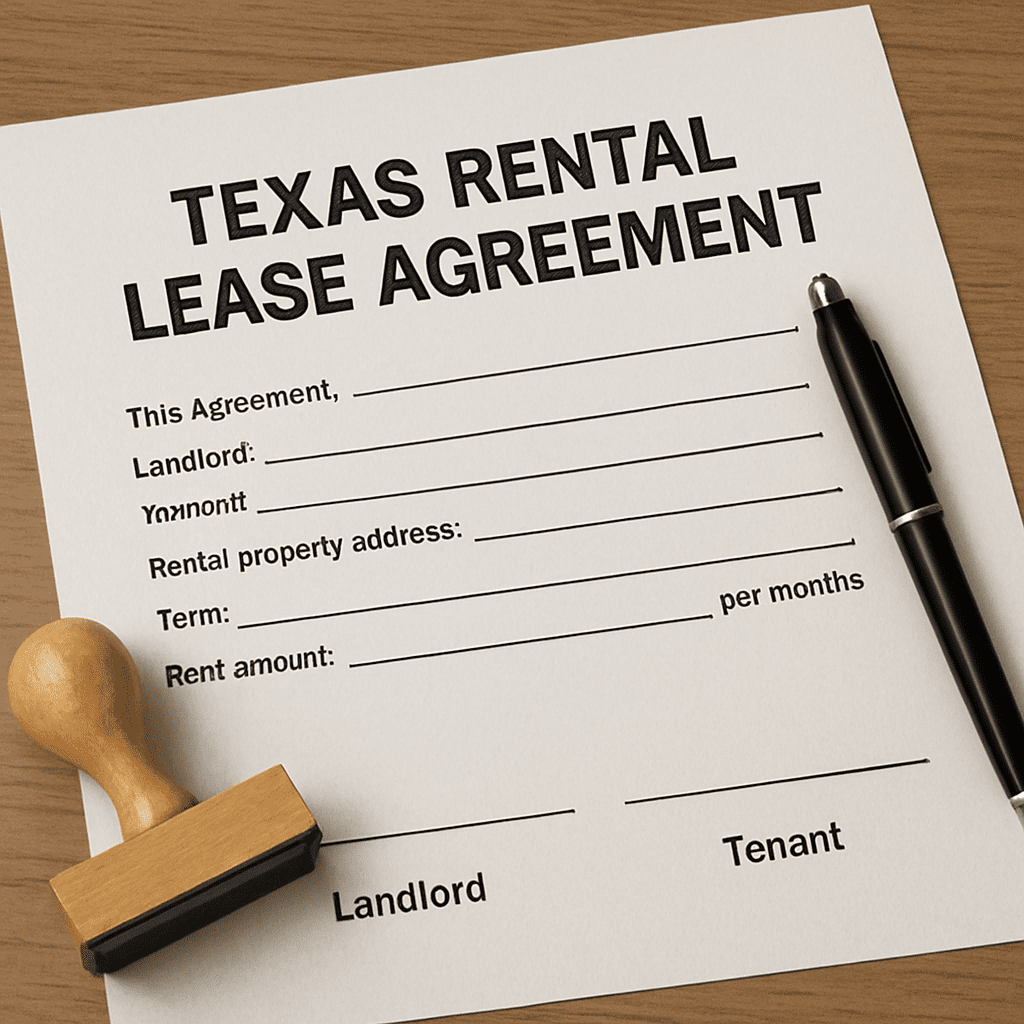
Texas Rental Lease Agreement
Navigating the world of rental agreements in Texas can be daunting. Understanding the Texas rental lease agreement is crucial for both landlords and tenants. This legally binding contract outlines the terms and conditions of renting a property.
It ensures that both parties are aware of their rights and responsibilities. From rent amounts to maintenance duties, every detail matters.
Texas rental laws require specific disclosures and adherence to tenant rights. These laws protect tenants from unfair practices and ensure a habitable living environment.
Month-to-month rental agreements offer flexibility but come with their own set of rules. Proper notice is essential for termination.
Whether you’re a landlord or tenant, knowing the ins and outs of a Texas rental agreement is vital. It helps prevent disputes and fosters a smooth rental experience.
What Is a Texas Rental Lease Agreement?
A Texas rental lease agreement is more than just a piece of paper. It serves as a crucial document defining the relationship between landlord and tenant. This contract outlines everything from payment terms to property rules.
For landlords, it provides a framework to manage their properties efficiently. It clarifies what is expected from tenants and what tenants can expect in return. By detailing these obligations, it minimizes misunderstandings.
Meanwhile, for tenants, the agreement serves as a legal safeguard. It ensures their rights are protected and they enjoy a safe living environment. Tenants can feel secure knowing their responsibilities are clearly defined.
These agreements typically include essential components such as:
- Names of landlord and tenant
- Description of the property
- Lease term and rent amount
- Payment terms and due dates

Overall, a Texas rental lease agreement forms the foundation of any residential lease, creating a balanced relationship between both parties. It emphasizes clarity and fairness, crucial for a successful rental experience.
Key Components of a Texas Lease Agreement
Understanding the key components of a Texas lease agreement is critical for both landlords and tenants. Each section plays a significant role in ensuring smooth operations and interactions. Let’s explore these essential elements further.
Firstly, the agreement must specify the names and contact details of all parties involved. This includes both the landlord and the tenant. Such clarity eliminates potential confusion down the line.
The property description is another vital component. It should detail the physical address and specific features of the rented premises. This section assures tenants know precisely what they are leasing.
Additionally, the lease term, rent amount, and payment terms are crucial. They establish the duration of the lease, as well as when and how rent should be paid. These terms should be transparent to avoid disputes.
Important components often outlined include:
- Security deposit amount and conditions
- Maintenance and repair duties
- Rules about pets and smoking
- Procedures for renewing or ending the lease

These components create a comprehensive document safeguarding the interests of both parties. A well-structured agreement not only defines the relationship but also establishes a fair and legally compliant rental environment.
Legal Requirements and Disclosures in Texas Rental Contracts
Texas rental contracts must adhere to specific legal requirements. These ensure transparent dealings between landlords and tenants. Complying with these laws prevents potential disputes and legal issues.
One crucial requirement involves providing disclosures mandated by state law. For instance, if the property was built before 1978, landlords must disclose any known lead-based paint hazards. This ensures tenant safety and informed decision-making.
Rental agreements should also comply with fair housing laws. Discrimination based on race, color, national origin, or other protected classes is prohibited. This fosters an inclusive and equitable living environment for all.
Essential disclosures and requirements include:
- Lead-based paint information (for older properties)
- Occupancy limits
- Identity of the property manager
- Rent increase procedures
Landlords must be aware of these legal obligations. Addressing them within the lease agreement creates a stronger contract. It upholds tenant rights and landlord responsibilities, facilitating a more harmonious rental relationship.
Texas Tenant Rights and Landlord Obligations
Tenants in Texas enjoy specific rights which safeguard their living conditions. These rights ensure a habitable and secure home environment. Landlords must respect these rights to maintain a lawful rental agreement.
One key tenant right is the entitlement to a habitable living space. This means the property must meet basic health and safety standards. Tenants can request necessary repairs if these standards are not met.
Additionally, Texas tenant rights include protection against unlawful eviction. Landlords must follow strict legal procedures when pursuing eviction. This includes providing proper notice and obtaining a court order.
Landlord obligations complement tenant rights, detailing responsibilities like maintenance and respecting tenant privacy. Landlords must ensure functional smoke detectors and timely repairs. Privacy must be respected, with proper notice given before property entry.
Key aspects of tenant rights and landlord obligations include:
- Right to privacy and peaceful enjoyment
- Prompt repair of health-related issues
- Protection against discrimination
- Legal eviction procedures

Understanding these rights and obligations fosters a balanced relationship. It ensures both parties fulfill their roles and uphold the lease agreement terms. This balance aids in preventing conflicts and promoting a positive renting experience.
Security Deposits and Rent Rules in Texas
Security deposits protect landlords if tenants leave their rental in poor condition. In Texas, landlords must return security deposits within 30 days of lease termination. Any deductions must come with a detailed written explanation.
Texas rental laws regulate how landlords handle security deposits. It is recommended that tenants document the property’s condition with photos at move-in. This documentation is crucial for disputes over possible deductions.
Rent rules in Texas also favor fairness and transparency. Landlords can set rent payment terms in the lease agreement. However, any terms must be communicated clearly to tenants.
Common practices in Texas rental agreements include:
- Specifying rent due date and acceptable payment methods
- Outlining penalties for late payments
- Providing clear procedures for rent increases
Tenants should familiarize themselves with these rules to avoid unexpected issues. Transparent communication about rent and deposits fosters a smoother rental relationship for everyone involved.
Month-to-Month Rental Agreement Texas: Flexibility and Notice
Month-to-month rental agreements in Texas offer both flexibility and convenience. They are ideal for tenants who plan to stay short-term. This type of agreement rolls over each month, allowing either party to terminate it with proper notice.
Texas rental laws require landlords and tenants to provide a 30-day notice before ending a month-to-month lease. This notice period allows both parties to prepare for upcoming changes. It’s essential to document this notice in writing for clarity and legal protection.
Such agreements suit individuals in transition or looking for housing flexibility. Before signing, tenants should confirm all terms are clear, especially the required notice period. Common elements in these agreements include:
- Rent amount and payment terms
- Maintenance responsibilities for both parties
- Procedures for terminating the lease
Flexibility with a month-to-month lease agreement in Texas ensures adaptability to changing life circumstances.
Customizing Your Texas Rental Agreement Contract
Customizing your Texas rental agreement contract allows you to address specific needs. Landlords can tailor clauses to cover property-specific concerns. It’s important that every customization complies with Texas rental laws to avoid legal issues.
A well-written agreement reflects the unique aspects of the rental property. For instance, landlords might include pet policies or rules for common areas. Tenants should review all personalized clauses carefully to ensure they understand their obligations.
Customizing your agreement provides clarity and reduces potential disputes. It’s beneficial to include the following tailored elements:
- Maintenance responsibilities
- Pet policies
- Smoking rules
- Utility responsibilities
- Parking arrangements

By customizing the Texas rental agreement, landlords and tenants create a contract that meets their needs while respecting legal requirements. This careful approach ensures a smooth rental experience for both parties.
Common Clauses and Addenda in Texas Rental Contracts
Texas rental contracts often include common clauses that address everyday issues. These clauses help manage expectations and clarify responsibilities between landlords and tenants. By incorporating these into the lease, both parties safeguard their interests.
Addenda are used to specify additional terms or modifications. They can cover topics like late fees or alterations to the property. Including addenda ensures that all agreed changes are documented and legally binding.
Common clauses and addenda you might find include:
- Renewal terms
- Late fee policies
- Smoking restrictions
- Subletting rules
- Conditions for alterations
Understanding these elements provides transparency and helps avoid disputes. Reviewing each clause thoroughly ensures fair agreements that protect all parties involved.
How to Fill Out a Rental Agreement Form Texas
Filling out a rental agreement form in Texas requires attention to detail. It ensures both tenants and landlords clearly understand the terms. Accurate completion is vital for the contract to be legally enforceable.
Start by gathering essential information. This includes personal details, property descriptions, and lease terms. Ensure all sections are filled out accurately to prevent future disputes.
Here’s a simple checklist to follow:
- Verify personal and property information
- Specify the lease start and end dates
- Outline rent amount and payment terms
- Detail security deposit amount and conditions
- Include any special clauses or addenda

Before signing, review the document with all parties. Confirm that all terms are understood. Legal counsel can provide additional assurances if needed, ensuring that both parties’ rights and obligations are clear.
Frequently Asked Questions About Texas Rental Agreements
When navigating Texas rental agreements, common questions often arise. Understanding these queries helps prevent confusion. Here are some frequently asked questions.
Can tenants withhold rent for repairs? Yes, under certain conditions, they can. Ensure issues are communicated to the landlord first.
What are the rules for breaking a lease? Breaking a lease can have penalties. However, legal exceptions, such as domestic violence, may apply.
Here’s a list of FAQs:
- Can a landlord increase rent during the lease?
- What disclosures are required by law?
- Are oral agreements enforceable in Texas?
Knowing these answers empowers both landlords and tenants. It helps in maintaining a smooth rental relationship. Always seek clarification when unsure, as proper knowledge leads to better decision-making.
Conclusion: Protecting Your Rights With a Solid Texas Lease Agreement
A Texas rental lease agreement is essential for a successful tenancy. It outlines rights and responsibilities for both parties. A clear agreement minimizes disputes and fosters mutual understanding.
Reviewing the lease carefully ensures protection under Texas rental laws. This proactive step safeguards tenant rights and fulfills landlord obligations. It’s crucial to address any unclear terms before signing.
Engaging in open communication with your landlord or tenant helps maintain a positive relationship. Address any issues promptly to avoid escalation. By crafting a comprehensive and well-understood lease, everyone can enjoy a secure and harmonious rental experience.
Contact us today or request a free management proposal at spmhouston.com
Superior Property Management | 7915 FM 1960 Rd W, Suite 225, Houston, TX 77070