

Houston Medical Center Rentals: 2026 Investor Guide
Houston Medical Center rental property is one of the most overlooked investment angles in Texas right now. While most investors chase the same suburban single-family homes, a quieter trend is reshaping the rental market around Houston’s hospital districts. The Texas Medical Center (TMC) is expanding. Memorial Hermann is pushing into the suburbs. A 6-million-square-foot mixed-use medical complex called TMC3 is in the works. All of that activity creates housing demand from doctors, residents, travel nurses, lab techs, and patient families.
If you own or plan to buy Houston rentals near a major hospital, you should consider what this means for your portfolio. Below is a breakdown of the numbers, drivers, and practical steps that Houston investors can take to capitalize on the trend.
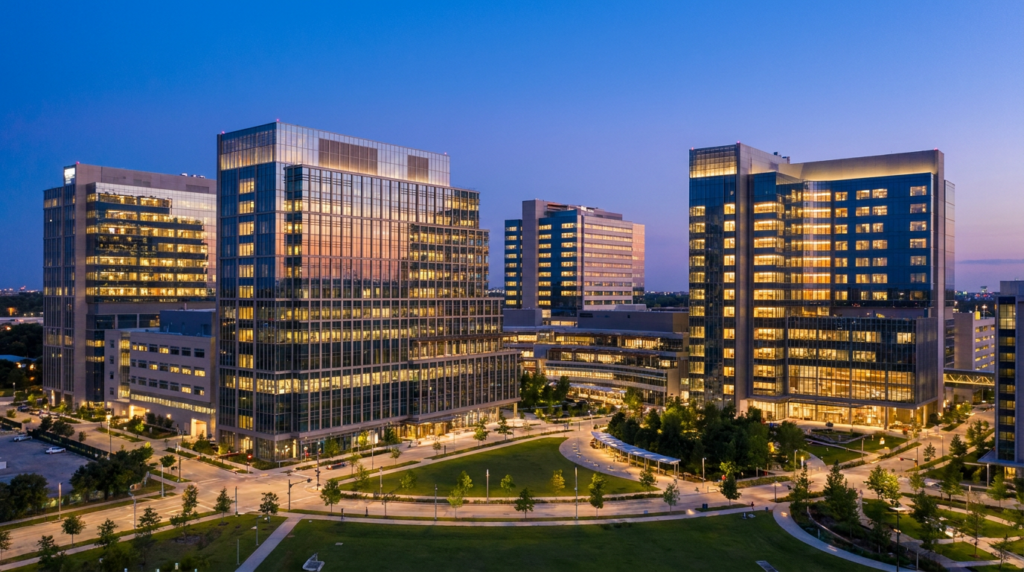
What the Texas Medical Center Numbers Tell Houston Rental Property Investors
According to research from the Texas Real Estate Research Center, the Texas Medical Center in Houston is the largest medical office cluster in the state by a wide margin. Here is how it compares to the rest of Texas:
| Cluster | Medical Office Space (SF) | Asking Rent (PSF) | Hospitals & Beds |
|---|---|---|---|
| Texas Medical Center (Houston) | 6,306,805 | $30.12 | 21 hospitals, 9,000 beds |
| NE Dallas | 3,159,596 | $24.22 | 1,500 beds |
| South Texas Medical Center (San Antonio) | 2,746,243 | $26.83 | 4,400 beds |
| Hermann Southwest (Houston) | 1,787,357 | $19.67 | 1,483 beds |
| Memorial Hermann Memorial City (Houston) | 1,345,270 | $33.57 | 440 beds |
The numbers tell a clear story. Three of the top seven medical office clusters in Texas sit inside Houston city limits. Harris County alone holds nearly half of the medical office space across Texas’s six largest counties. Each of those buildings holds doctors, technicians, administrators, and support staff who all need somewhere to live.
For Houston Medical Center rental property investors, this matters because hospital-adjacent ZIP codes consistently outperform on occupancy. Per the same research, 40 percent of Texas medical office inventory sits in the exact same ZIP code as a major hospital, or right next door. That is where the rental demand concentrates.
Why Medical Office Growth Drives Houston Rental Property Demand
Three trends are pushing rental demand near Houston’s medical districts. Each one is worth understanding because they directly affect what kind of tenant you can attract and how much rent your property can command.
Healthcare Jobs Are Growing Faster Than Hospital Jobs
Statewide healthcare employment grew dramatically over the last decade. Non-hospital health care jobs grew 32 percent in Texas. Hospital jobs grew only 5 percent. That means most new healthcare hiring happens in outpatient settings: physician offices, labs, imaging centers, and clinics. Those workers do not live on hospital campuses. They rent or buy nearby.
An Aging Population Spends More on Healthcare
Americans over 65 now make up nearly one-fifth of the population and consume 37 percent of health spending. As that share grows, every Houston hospital system is expanding. Memorial Hermann is building new facilities in outlying parts of Houston. HCA Healthcare and CHRISTUS Health are adding hospitals along the I-35 corridor and the coast. Each expansion seeds a new residential demand pocket around it.
TMC3 Will Bring a Huge New Wave of Workers
The institutions of the Texas Medical Center are developing TMC3, a planned 6-million-square-foot mixed-use medical complex. When it opens, it will bring thousands of additional researchers, clinicians, administrative staff, and biotech workers into the area. Every one of them is a potential renter for nearby Houston Medical Center rental property.
Best Houston Submarkets for Medical Center Rental Property
Not every neighborhood near a hospital makes a strong rental investment. The right submarket depends on your strategy, budget, and the type of tenant you want to serve.
Texas Medical Center Corridor
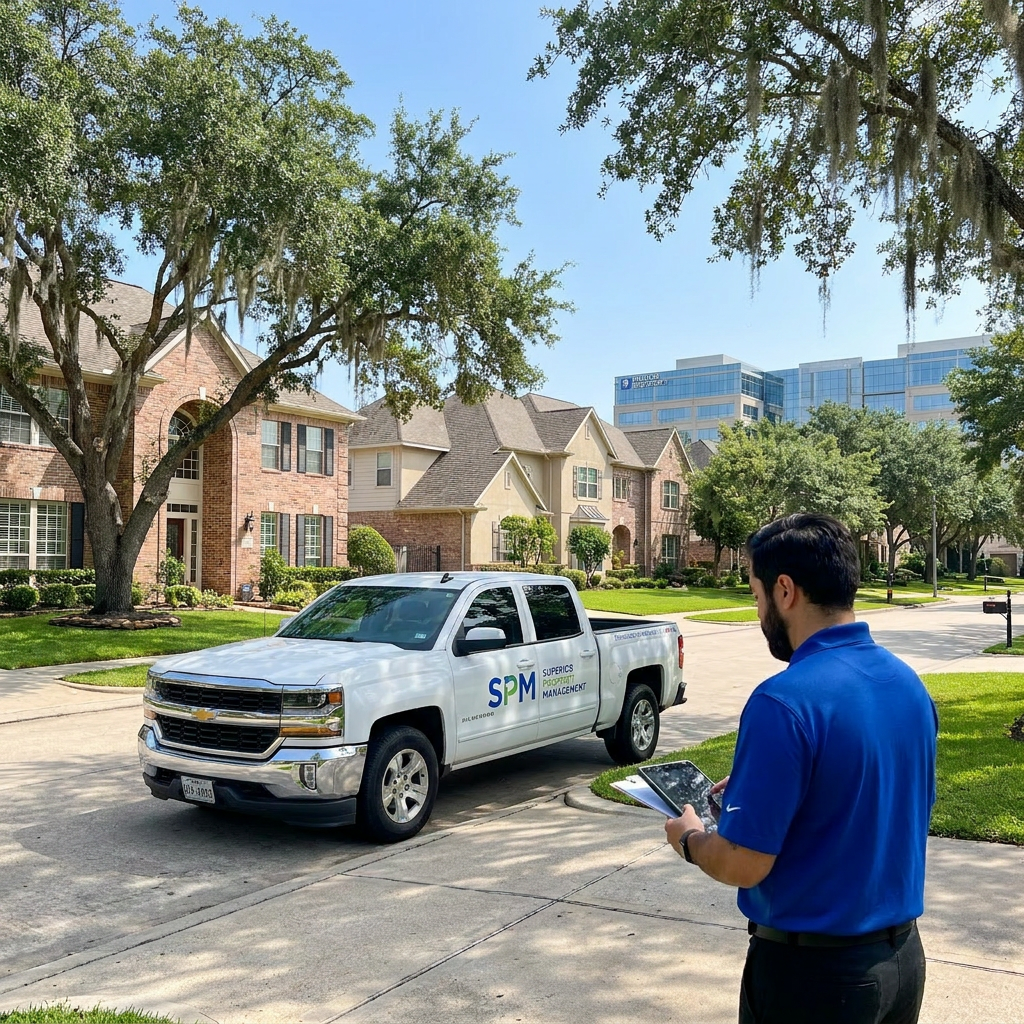
Properties in the TMC corridor command the highest rents but also the highest acquisition prices. Townhomes and condos here work well as furnished rentals targeting travel nurses, visiting researchers, and patient families. Expect short-term leases and higher turnover, but premium rents to match.
Hermann Southwest Area
Hermann Southwest sits at the intersection of the Memorial Hermann Southwest Hospital and a growing residential corridor. The 33.5 percent vacancy in medical office space here actually creates opportunity for residential investors: as that office space fills with new tenants, demand for nearby housing follows. Lower property prices than central TMC make this a strong rental yield play.
Memorial Hermann Memorial City
This Energy Corridor-adjacent submarket has the highest asking rents per square foot in the entire metro for medical office space ($33.57), and the lowest vacancy (13.8 percent). That signals a high-income tenant base of physicians and senior medical professionals. Single-family rentals and luxury townhomes do well here.
Suburban Expansion Markets
Memorial Hermann’s expansion into outlying Houston areas opens up opportunities in markets like Katy, Cypress, Pearland, and Spring. These are also the markets where many Houston investors are already buying rental property, which gives you the dual benefit of medical-driven demand on top of strong school district demand.
Who Rents Houston Medical Center Rental Property?
One of the strongest reasons Houston Medical Center rental property holds up well in any market cycle is the diversity of the tenant base. Hospital-adjacent landlords can target many different renter profiles, often at the same time across a portfolio:
- Resident physicians and fellows sign multi-year leases at the start of their training. They want quiet, safe, and within a 15-minute commute.
- Travel nurses typically work 13-week contracts and need furnished short-term rentals. They pay premium rates for convenience.
- Healthcare administrators and support staff form the largest segment. They tend to sign standard 12-month leases.
- Lab technicians, researchers, and biotech workers are growing fast as TMC3 develops. Many come from out of state and arrive without furniture.
- Patient families need short-term housing during extended treatments. Furnished units close to TMC fill this niche well.
- Medical and nursing students typically share larger units with roommates and renew annually.
That mix of long-term and short-term, furnished and unfurnished, gives Houston Medical Center rental property owners more flexibility than a typical suburban single-family rental.
How Houston Property Management Helps Medical-Adjacent Rental Owners
Owning rental property near a Houston medical center is not the same as managing a standard suburban rental. The tenant mix, lease terms, marketing channels, and turnover patterns all look different. That is where a professional Houston rental property management team earns its keep.
Here is what experienced Houston property management brings to medical-adjacent rentals:
- Targeted tenant screening. Healthcare tenants are generally excellent renters with stable income, but screening still matters. Travel nurses, in particular, need flexible lease language that protects both parties.
- Furnished and short-term lease structures. Travel nurse contracts and patient-family stays require specific lease provisions. A property manager who handles these regularly already has the templates and processes in place.
- Marketing on the right platforms. Standard listing sites alone will not reach this tenant pool. Travel nurse housing platforms, furnished rental marketplaces, and hospital relocation networks all need to be in the mix.
- Regulatory compliance. Texas rental law evolves every legislative session. Our guide to mastering property management in Houston covers the fundamentals, and our recap of recent Texas property law updates from the 2025 legislative session covers what changed most recently.
- Faster turnovers. Higher tenant rotation means more frequent make-ready work. A property manager with local vendor relationships keeps your unit on-market longer and vacant for less time.
Investors who own multiple medical-adjacent rentals especially benefit from professional management. The operational complexity scales fast when you are juggling short-term and long-term leases across a portfolio.
Frequently Asked Questions About Houston Medical Center Rental Property
Is Houston Medical Center rental property a good investment in 2026? The fundamentals look strong. Texas healthcare employment outside hospitals grew 32 percent in the last decade. Houston’s medical office sector continues to expand. TMC3 alone will add 6 million square feet of medical workspace and thousands of workers. As long as supply stays constrained and population continues to age, demand for nearby housing should hold up.
How much can I charge for rent near the Texas Medical Center? Rents vary widely by submarket and property type. A small condo in the TMC corridor might rent for $1,800 to $2,500 per month unfurnished. Furnished travel nurse housing can pull $3,500 to $5,000 per month or more during peak demand. Single-family homes in Memorial Hermann Memorial City often rent for $2,500 to $4,000 per month. A property manager can pull a free rental comp report for any specific address.
Should I buy a single-family home or a condo for medical-adjacent rentals? Both work, but they serve different tenants. Single-family homes attract physician families and longer-term healthcare professionals. Condos and townhomes work better for travel nurses, residents, and short-term tenants. Many Houston investors build portfolios that include both types.
Do I need to furnish my Houston Medical Center rental property? Not necessarily. Furnished rentals command premium rates but require more capital upfront and more turnover labor. Unfurnished units serve the larger long-term tenant pool. If you want maximum flexibility, some Houston property managers can swap a unit between furnished and unfurnished based on market demand.
Is property management worth it for medical-adjacent rentals? For most owners, yes. The mix of short-term and long-term leases, the specialized marketing channels, and the faster turnover cadence add operational complexity that eats into your time and returns if you self-manage. A Houston property management firm that already understands the medical rental market pays for itself in occupancy and rent optimization.
Ready to Build a Medical-Adjacent Rental Portfolio in Houston?
Houston’s medical sector is one of the most powerful and durable economic engines in Texas. As TMC and the surrounding hospital districts continue to expand, the rental properties around them stand to benefit for years to come. Whether you already own near a Houston medical center or you are considering your first acquisition, Superior Property Management can help you protect and grow your investment.
Superior Property Management 7915 FM 1960 Rd W, Suite 225 Houston, TX 77070 Phone: (281) 754-1300 Email: info@spmhouston.com Web: www.spmhouston.com
Request a free Houston property management consultation today and let our team show you how Houston investors are positioning their portfolios for the next decade of medical sector growth.
This article is for general informational purposes only and does not constitute legal, tax, or financial advice. Market data referenced is sourced from research published by the Texas Real Estate Research Center, drawing on CoStar and American Hospital Directory data. Rental performance varies by property, neighborhood, and market conditions. Consult qualified professionals before making investment decisions.